Why New Orleans Houses Turn Green, and How Often to Wash Them
It looks like dirt, but it is growth, and our climate is about as friendly to it as a climate gets.
October 20, 2026 · 3 min read
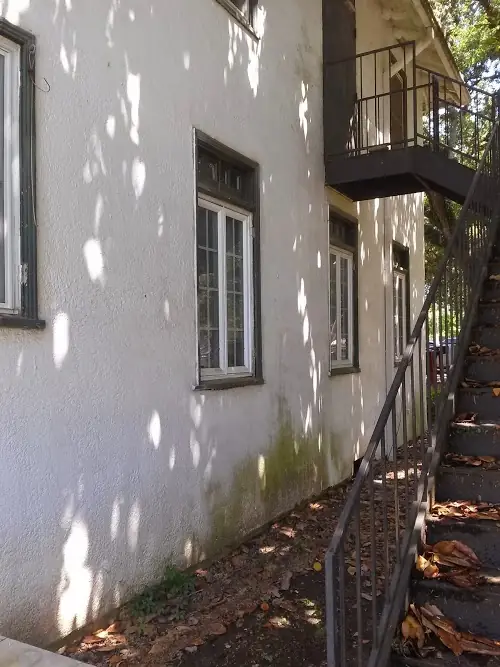
Drive down any street in the city and you'll see it: the gray-green film on the shaded side of a house, the dark streaks under a roofline, the fuzzy green creeping up a stucco wall from the ground. It isn't dirt, and it isn't paint failing. It's growth. South Louisiana is one of the easiest places in the country to grow algae and mildew, and your house is a very comfortable surface to grow on.
What that green film actually is
Algae, mildew and mold are living things that arrive as spores carried on the air. They land on every house. Whether they take hold depends on whether the house offers moisture and something to feed on. Pollen, dust, leaf residue and the fine film of grime that settles on every wall give them plenty to work with. Once they settle in, they bind to the surface and spread.
That's why a quick rinse with a garden hose rarely fixes it. You wash off the top and leave the colony in place, and a few weeks later it looks the same. A proper cleaning has to kill the growth, not just rinse the color away.
Why south Louisiana grows it so well
Warm temperatures, high humidity and heavy rain are the ingredients, and we have all three most of the year. Then add the details of a real New Orleans lot: big shade trees, tight spacing between houses, courtyards that stay damp, and walls on the north side that never see direct sun. A wall that stays wet long after the rain stops is where growth gets its start.
Look for it in the same places every time. The north and east sides. The bottom couple of feet of stucco and brick, where rain splashes up from the ground. Under gutters that overflow. Around window frames, where moisture lingers. Customer Olivia Saroop wrote that after the wash, “all the mold/mildew around our windows are all gone.” Windows are a classic spot for it, and they're the first place people notice when it's finally clean.
What happens if you leave it alone
At first it's cosmetic. The house looks older and more tired than it really is. But growth keeps moisture pressed against the surface, and a wall that stays damp is harder on paint, caulk and finishes over time. On walks, steps and patios, algae turns slick. We've seen plenty of porches that looked fine from the street and felt like ice underfoot. A regular cleaning is a lot less work than dealing with whatever the green was sitting on.
How often to wash a house here
Our general rule is every year to a year and a half. That's a good baseline for a house with decent airflow and some sun. In humid, coastal New Orleans, though, a lot of homes do better on a twice-a-year schedule, and the shadiest, dampest properties near the coast may need cleaning quarterly to stay ahead of it. Your house will tell you. When the green starts to show again, you're due.
Commercial properties follow the same logic. Storefronts, walkways, drive-thrus and dumpster pads collect grime fast, and a customer's first look at your building matters. Busy places often settle into a regular schedule so they never reach the overdue stage.
Why spring is the best season
If you're picking one time of year, pick spring. The growth hasn't hit its summer peak yet, so you start the hot, humid months with a clean surface instead of fighting a head start. The weather is mild enough for the crew to work comfortably and for the house to dry properly afterward. A house that goes into summer clean tends to stay presentable much longer than one that goes in already green.
Slowing it down between washes
A few habits make a real difference. Trim shrubs and branches back so the walls get some sun and air. Keep your gutters flowing so water doesn't streak down the siding. Point sprinklers away from the house, since a wall that gets sprayed every morning never gets the chance to dry. None of this replaces a wash, but it stretches the time between them.
If your house has gone green and you're wondering how bad it is, we're happy to look. Give us a call at (504) 270-4925 or (225) 678-8904, or send a note through the contact page, and we'll set up a free estimate. We're available around the clock, so call whenever it crosses your mind.
Tiger Wash, (504) 270-4925
Call (504) 270-4925More articles
Soft Wash or Pressure Wash? What Each Surface on a Louisiana House Can Take
Most of what grows on a Louisiana house is alive, and the wrong kind of wash can damage the surface underneath it.
Washing a Historic Home in the Garden District, Uptown or the French Quarter
A house that has stood for generations deserves a wash that takes the grime and leaves everything else exactly where it was.